Best E-Commerce Plugins for Marketplaces (2026)
Marketplace operators need e-commerce plugins that handle many sellers, not just one storefront. The core jobs include giving each vendor their own dashboard, managing commissions and split payments, and offering tiered memberships that separate free sellers from premium ones. On top of that, marketplaces deal with high-volume checkouts, multi-currency pricing across regions, and spam on registration forms, so testing, payment, and security add-ons matter more than they would for a single-shop owner. The plugins below are ordered by how directly they serve a multi-vendor setup, with general WooCommerce helpers further down the list.
Plugins on this page are ordered by how strongly each one is built for marketplaces in this category, with PluginCheck's quality score (popularity, maintenance, support health, user ratings, and WordPress compatibility) breaking ties. Every plugin listed clears our quality bar.

Built specifically for marketplace operators who need a vendor-facing dashboard, with explicit support for WCFM Marketplace, Dokan, WC Vendors, and WC Product Vendors. With 20,000 active installs and a 90/100 rating across 285 reviews, it is one of the more established options for letting multiple sellers manage their own listings. It fits this audience directly rather than serving as a general store add-on.

A natural companion to the WCFM ecosystem, designed to offer free and premium subscription tiers to vendors in a multi-vendor setup. It lists tiered membership and commission-based marketplace use cases, which are recurring needs for marketplace owners who want to monetize seller access. Its 10,000 installs and 80/100 rating across 25 reviews suggest a narrower but targeted user base.

Positioned as the multi-vendor engine itself, with stated support for advanced commissions and automated split payments. The 92/100 rating from 448 reviews and 10,000 active installs point to a mature core option for marketplace operators. Its listed use cases span dropshipping, wholesale, B2B, and franchise e-commerce, which lines up with the breadth of needs in this audience.
 88/100
One of the most widely installed marketplace plugins in the WordPress ecosystem, with 40,000 active installs and a 92/100 rating across 766 reviews. It frames itself as a complete Amazon- or Etsy-style marketplace builder, which is exactly the brief for this audience. No specific use cases are recorded in the data, but the description and install base strongly support a marketplace fit.

Another full marketplace builder for WooCommerce, with a 96/100 rating from 432 reviews, the highest user score in this list. At 2,000 active installs it has a smaller footprint than the top options, but the rating suggests strong satisfaction among existing users. Like Dokan, no use cases are listed, so the fit relies on the description's marketplace focus.

Primarily an Elementor addon for product grids, carts, and checkout pages rather than a marketplace tool. The stated use cases point to single-store product showcase and storefront customization, so it is a partial fit for marketplaces that also want polished product displays. Treat it as a complementary add-on, not a marketplace backbone.

A testing tool that automates form and WooCommerce checkout flows to catch failures before they hit revenue. For marketplaces, where many vendors share the same checkout, catching breakage early is especially valuable, and multi-step checkout optimization is listed as a use case. It is a supporting tool rather than a marketplace builder, but it solves a real operational pain point for this audience.

Adds Google reCAPTCHA to checkout, login, and registration, which is directly relevant to marketplaces that face high-volume customer registration and spam. With 40,000 active installs and a 92/100 rating from 75 reviews, it is a proven free utility. Multi-vendor marketplace is explicitly listed among its use cases, so the fit is clear, even though it is a single-purpose security add-on.

Allows per-product multi-currency pricing, which is useful for marketplaces with sellers in different regions. No use cases are recorded in the data, so the fit for this audience has to be inferred from the feature itself. It is a niche helper rather than a marketplace core, and most marketplaces will get more value from the top-ranked options.
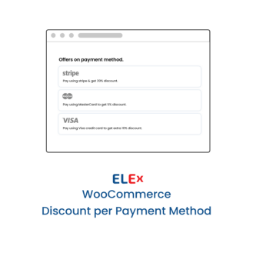
Offers discounts based on the chosen payment method at checkout, a common tactic for steering customers to lower-fee gateways. Its stated use cases include subscription-based stores and multi-payment gateway management, which has some overlap with marketplace needs. It is a peripheral tool for this audience and matters mostly as a checkout conversion tweak.
How to Choose
Start with one of the core marketplace builders in the top five: WCFM Marketplace, Dokan, or MultiVendorX if you want a full solution, or WCFM Frontend Manager if you already run another vendor plugin and need a better dashboard. Pair it with WCFM Membership if you plan to charge vendors for premium tiers, and add reCAPTCHA for WooCommerce and CheckView once you are live, since spam and checkout reliability hit marketplaces harder than single shops. The main tradeoff is ecosystem: sticking within one vendor family (for example, all WCFM) reduces integration risk, while mixing stacks like Dokan plus a third-party frontend can be flexible but may need more glue.